Creating Spaces Where Young People Feel Safe
Refurbishment of CAMHS Mussellburgh and CAMHS Penicuik
For many children and young people, attending a CAMHS appointment can feel daunting. Yet until recently, many of the spaces used by the CAMHS team in Musselburgh and Penicuik were described as tired, clinical and ill-suited to therapeutic work.
When staff approached our Tonic Arts team for support, the challenge was more than just how the spaces looked, it was also about they felt for the children and young people using them. The existing environment offered little to reduce anxiety or support the therapeutic relationships at the heart of mental health care.
Working with designer Stuart Smith Gordon, our team brought together the experiences of staff and patients with specialist expertise in creating supportive healthcare environments. Through a series of engagement sessions, they explored the challenges and opportunities within the existing spaces, helping to identify how the physical environment could better support the delivery of mental health care. The insights gathered informed a set of design proposals tailored to the needs of each setting, ensuring the final designs were shaped not only by clinical requirements, but by the experiences of the children, young people, families and staff who use the spaces every day.

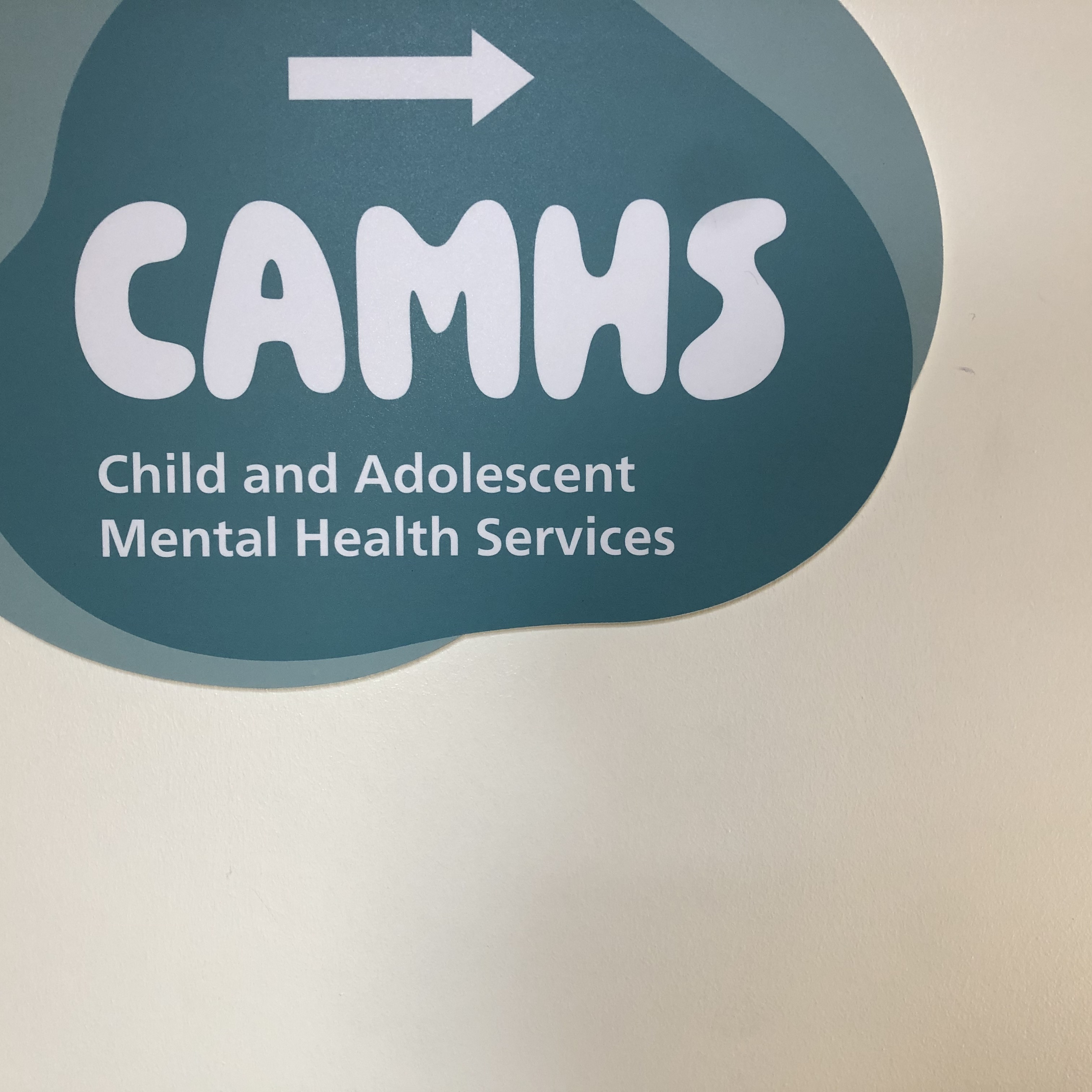
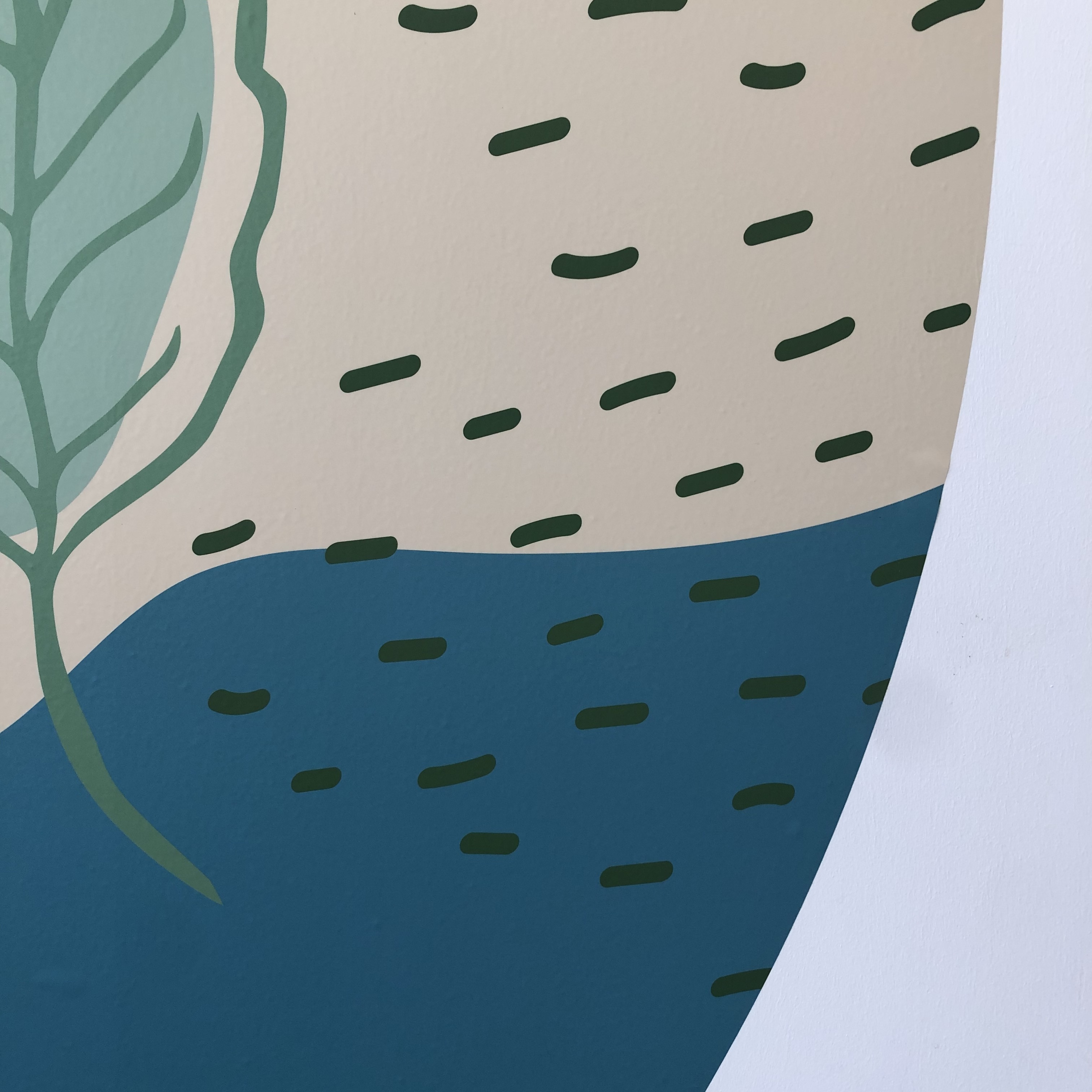
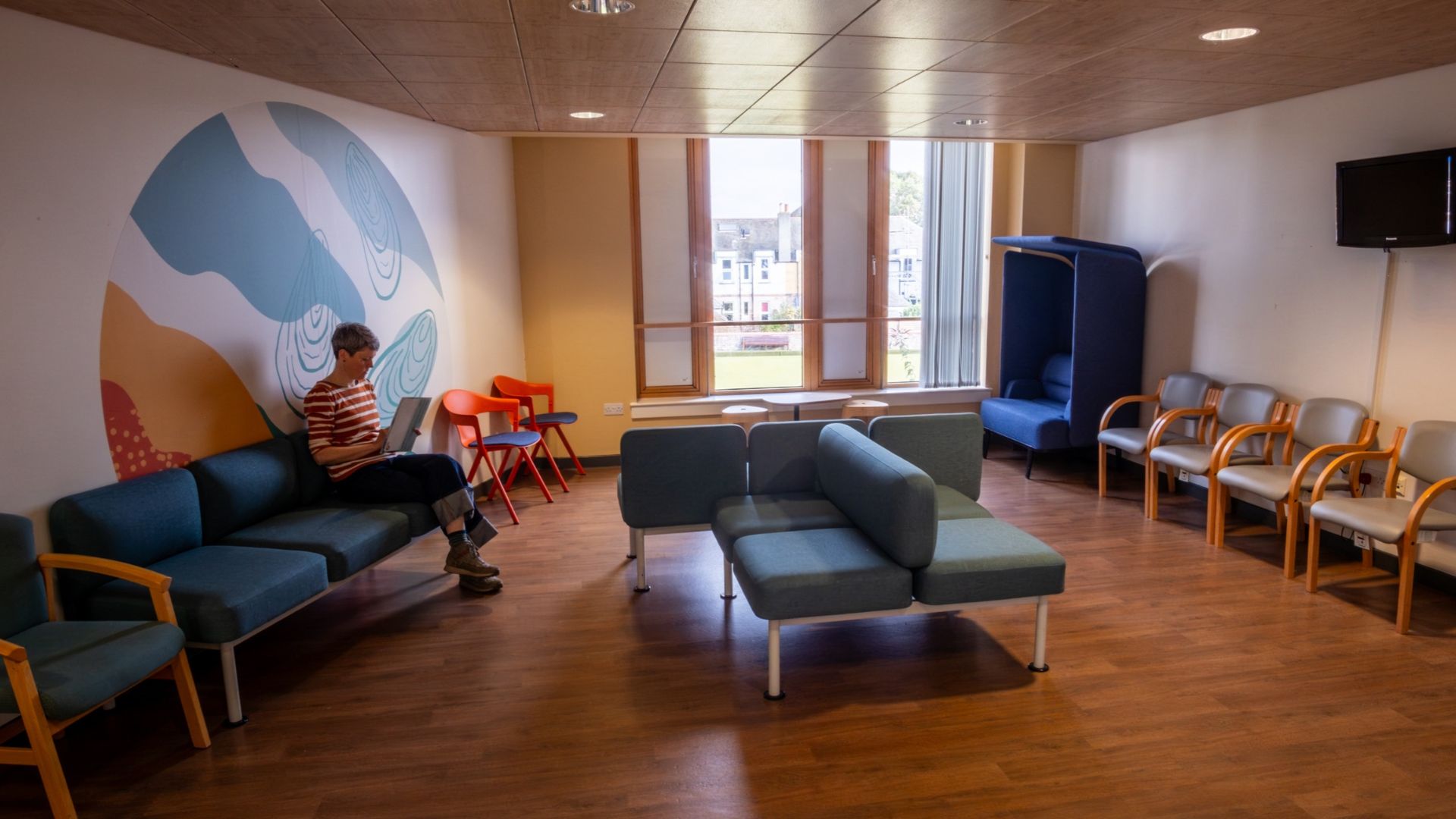
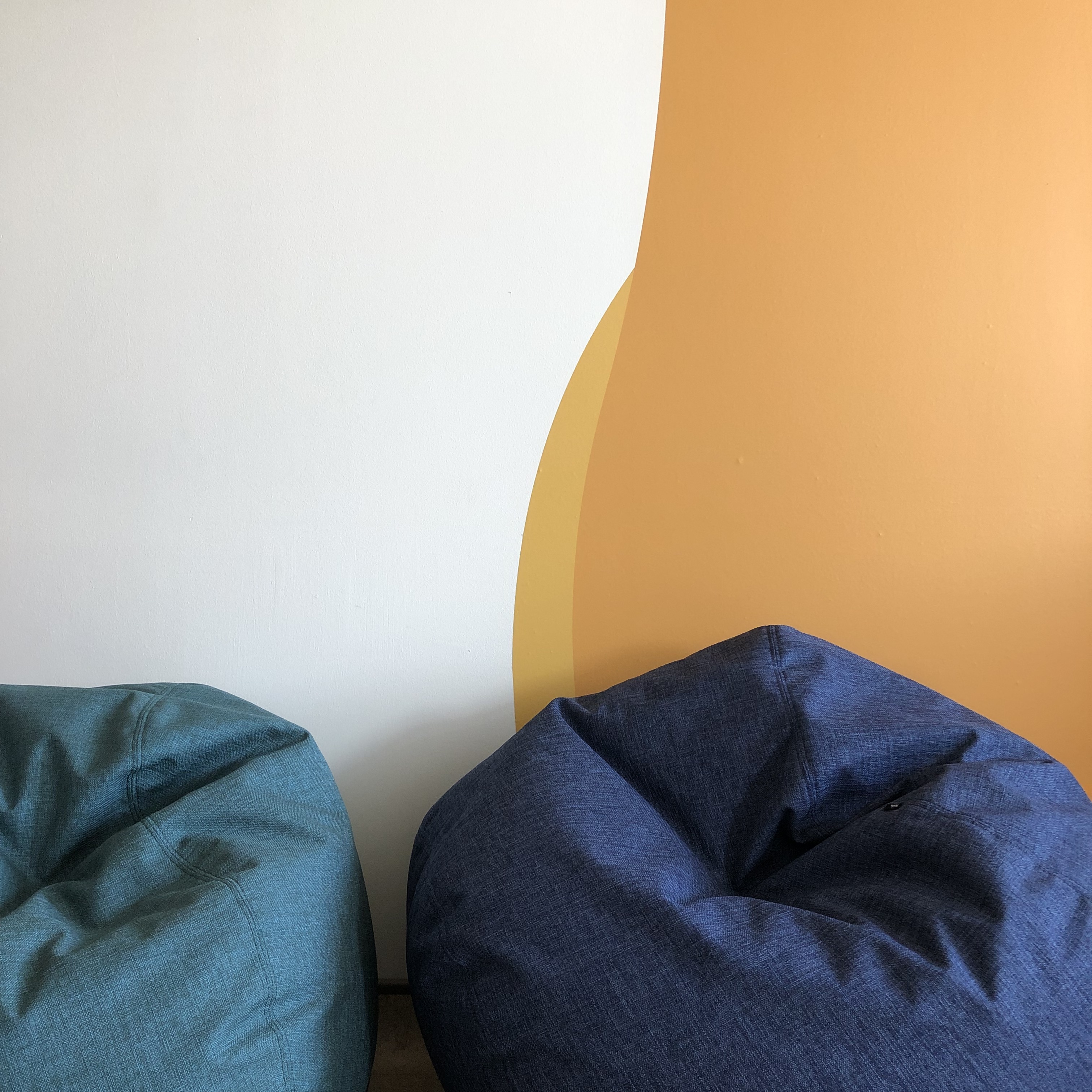
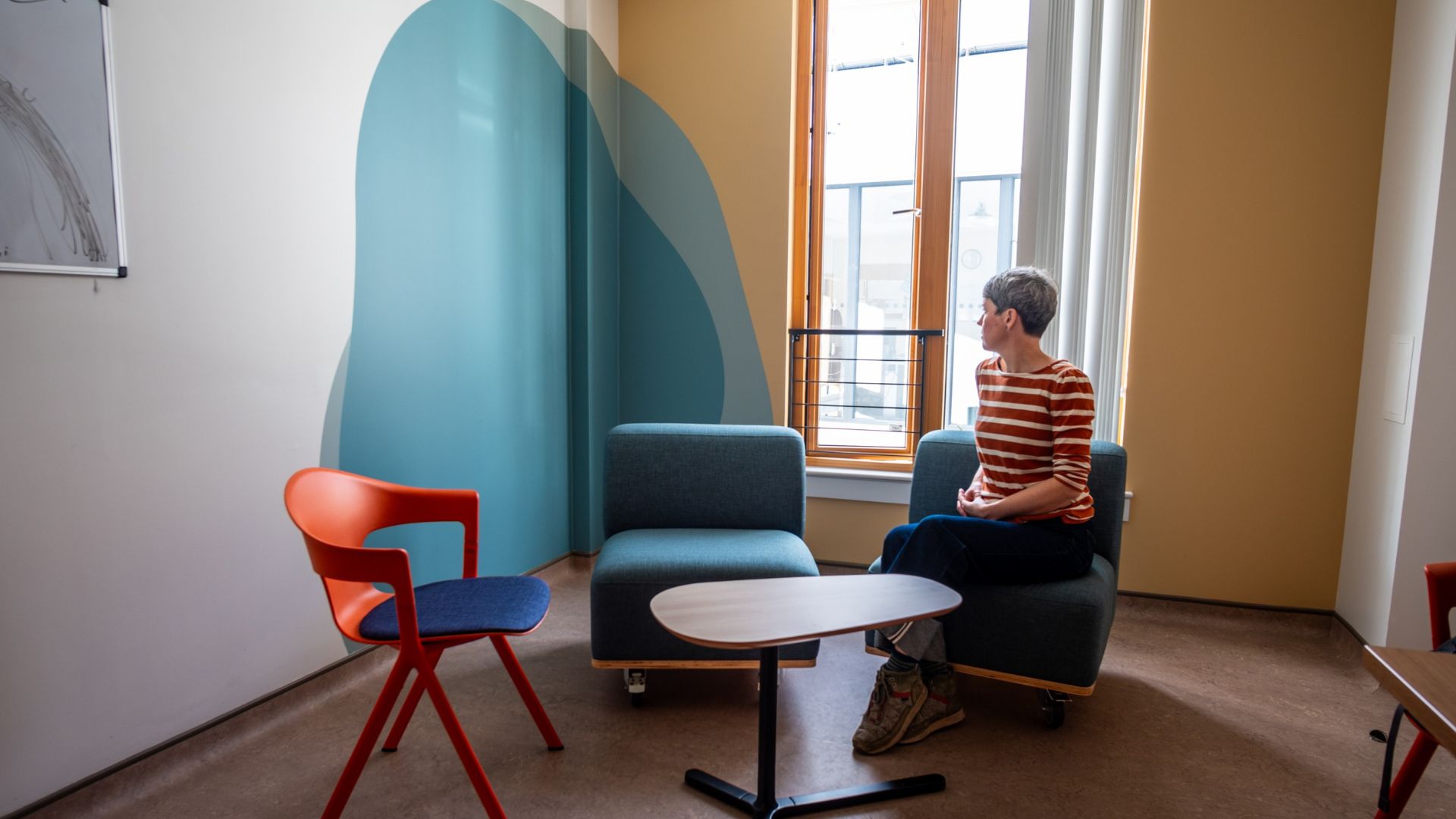
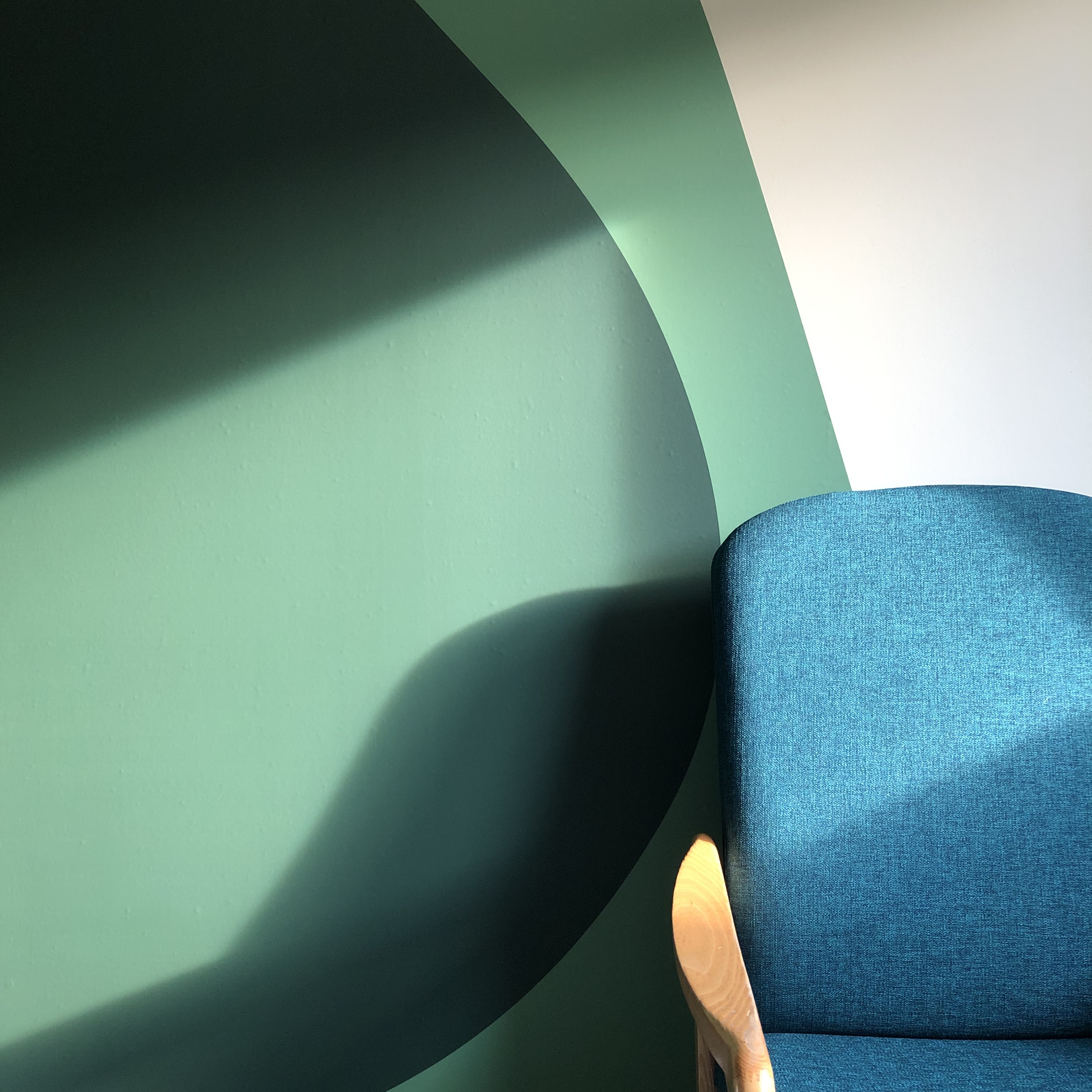
The result is the transformation of 17 spaces designed with the patient at the heart, including waiting areas, consultation rooms, group spaces and corridors. Using carefully considered colour palettes, bespoke graphics, furniture and wayfinding, the designs aim to reduce anxiety, improve accessibility and create environments that feel welcoming, safe and age-appropriate.
Every element has been shaped by the needs of the people who use the spaces. Thoughtful design choices can help young people feel calmer before appointments, more comfortable during therapy and better able to build trust with clinicians.
The project demonstrates the important role that art and design can play in healthcare environments and how it can support the delivery of care. By combining staff insight, patient experience and specialist design expertise, Tonic Arts is helping to create environments that support wellbeing, strengthen therapeutic relationships and ensure children and young people feel valued from the moment they walk through the door.
View our image gallery